February 19, 2026
Searching for the right professional to replace or repair your roof can be daunting, given the importance of a quality roof over your head. A roof protects your home from weather exposure, structural damage, and long-term deterioration, making the selection process especially important. This article provides a comprehensive guide to help you identify and choose the right residential roofer in your area.
With so many contractors advertising similar services, homeowners often struggle to separate qualified professionals from unreliable options. Knowing what to look for, what questions to ask, and how to evaluate credentials can help reduce uncertainty and lead to better outcomes. Taking a methodical approach allows homeowners to move forward with confidence rather than guesswork.
1. Understanding Your Roofing Needs
1.1 Assessing the Current Condition of Your Roof
Before seeking a residential roofer, it's crucial to assess the current state of your roof. Look for signs of wear and tear, such as missing shingles, leaks, curling edges, or discoloration. These indicators may point to aging materials or underlying structural concerns that require attention. Early awareness helps homeowners address problems before they escalate.
Understanding your roof's condition is vital for effective decision-making. It helps establish a baseline, enabling a residential roofer to provide accurate quotes based on real-time data rather than assumptions. This clarity also helps prevent overpaying for unnecessary work or overlooking critical repairs.
Homeowners should also consider less obvious warning signs, such as increased energy bills or uneven indoor temperatures. These issues can sometimes indicate compromised roofing materials or ventilation problems. A thorough evaluation provides valuable insight into how your roof is truly performing.
An informed understanding empowers homeowners when interacting with a residential roofer. It allows you to discuss specific issues and potential solutions with confidence, reducing miscommunication and unnecessary costs. Clear conversations often lead to more efficient inspections and realistic expectations.
Residential roofing continues to dominate the broader roofing industry, reflecting how important these projects are to homeowners across the country. According to Grand View Research, in the U.S., residential roofing accounts for 62% of market demand, underscoring how frequently homeowners invest in roof repairs, replacements, and maintenance. This level of demand highlights the importance of careful contractor selection, as even small mistakes can have widespread consequences. With so many projects occurring each year, choosing qualified professionals and understanding the process helps homeowners protect both their property and long-term investment.
1.2 Identifying the Type of Roof You Have
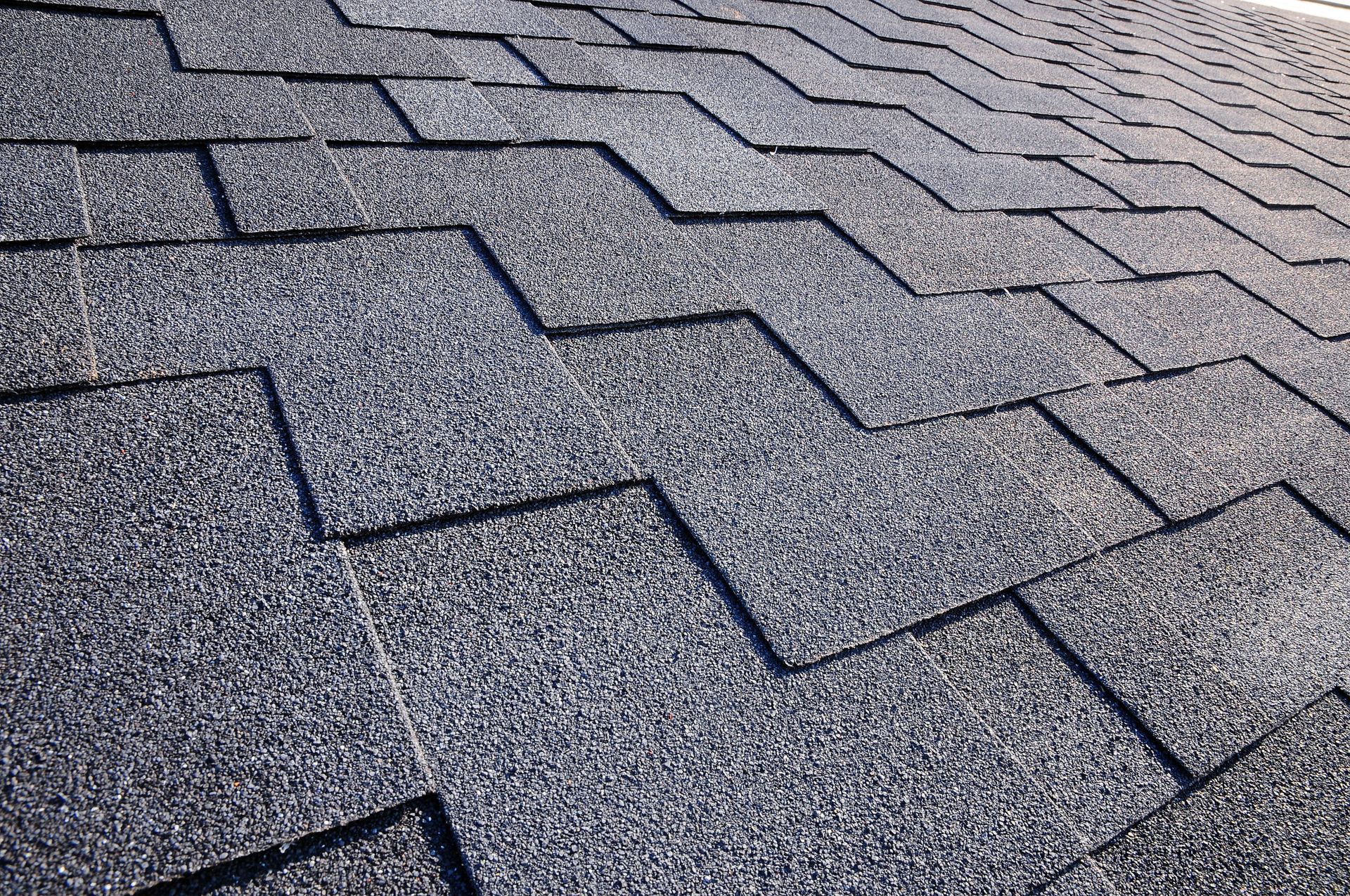
Knowing your specific roof type is instrumental in selecting the right residential roofer. Residential roofs come in various materials, including asphalt shingles, tiles, metal, and wood. Each option carries different installation requirements, maintenance expectations, and lifespans.
Beyond the material, consider the architectural style and pitch of your roof. A skilled residential roofer understands how these elements influence safety procedures, installation techniques, and labor requirements. Roof pitch alone can significantly affect project complexity and timeline.
Homeowners should also account for climate compatibility. Certain roofing materials perform better in specific weather conditions, such as extreme heat, heavy snow, or frequent storms. Matching materials to environmental demands can improve long-term durability.
As roofing materials continue to evolve, working with a knowledgeable residential roofer can help you weigh durability, aesthetics, and energy efficiency when making decisions. Understanding these factors upfront supports smarter investments.
1.3 Determining Whether You Need Repair or Replacement
Assessing whether your roof requires a repair or a full replacement is a pivotal decision best made with input from a residential roofer. Minor damage, such as isolated leaks or missing shingles, may be resolved with targeted repairs.
A qualified residential roofer can evaluate factors such as the roof’s age, extent of damage, and history of previous repairs. In some cases, repeated minor fixes may signal deeper structural problems that repairs alone cannot resolve.
Homeowners should also consider how long they plan to stay in the home. A replacement may make more sense for long-term ownership, while repairs could be practical for shorter timeframes. Balancing cost, longevity, and future plans is essential.
While outside opinions are helpful, choosing a solution in collaboration with a trusted residential roofer allows you to balance technical recommendations with personal preferences. This partnership leads to decisions that align with both the budget and the goals.
1.4 Considering Budget Constraints
Budget is a significant determinant in selecting roofing solutions, and transparency from a residential roofer is essential. Roofing costs can vary widely depending on material quality, labor requirements, and project size.
Many residential roofer companies offer financing options that help homeowners manage expenses without delaying necessary work. Understanding payment terms, interest rates, and timelines helps prevent future financial strain.
Homeowners should also factor in indirect costs, such as temporary accommodations or landscaping repairs. Accounting for these expenses early reduces the risk of budget overruns during the project.
Long-term savings also matter. A well-installed roof completed by an experienced residential roofer can improve insulation, reduce energy bills, and increase home value. These benefits often offset initial costs over time.
1.5 Deciding on Timeframe for the Project
Timing plays a key role in roofing projects, and scheduling with a reliable residential roofer can make the process smoother. Seasonal conditions often dictate when roofing work can be performed safely and efficiently.
Material availability and contractor demand may affect scheduling. A reputable residential roofer will communicate timelines clearly and help plan around potential delays or weather disruptions.
Homeowners should also consider personal scheduling factors, such as work-from-home arrangements or family commitments. Roofing projects can be disruptive, making timing an important consideration.
Strategic scheduling with your residential roofer may also impact pricing, as off-peak seasons can sometimes offer cost advantages. Aligning availability, budget, and urgency helps create a more manageable project experience.
2. Researching Potential Roofing Professionals
2.1 Using Local Referrals and Community Feedback
Word-of-mouth recommendations remain one of the most reliable ways to identify dependable roofing professionals. Neighbors, friends, and family members who have completed similar projects can offer firsthand insight into work quality, communication habits, and overall satisfaction. These experiences often highlight details that online listings overlook.
Community-based platforms, such as neighborhood forums or local social media groups, also provide valuable perspectives. Patterns in feedback—both positive and negative—help reveal consistency in service delivery. Contractors with a strong local reputation often rely on repeat business and referrals, which can reflect accountability and reliability.
When reviewing recommendations, it’s helpful to ask about project timelines, unexpected costs, and post-project follow-up. These details paint a clearer picture of what working with a particular contractor may involve.
2.2 Evaluating Online Presence and Transparency
A professional online presence can indicate how seriously a contractor approaches their business. Clear service descriptions, up-to-date contact information, and detailed project galleries often signal organization and professionalism. While a website alone doesn’t confirm quality, it does reflect effort and transparency.
Look for clear explanations of services, warranties, and processes. Contractors who explain what homeowners can expect at each stage tend to communicate more clearly throughout the project. Transparency online often translates to clearer expectations during on-site work.
Finding the right roofing professional requires more than a quick search or the lowest estimate. A thoughtful approach that includes evaluating your roof’s condition, understanding material options, reviewing credentials, and comparing detailed proposals helps reduce uncertainty and improve outcomes. When homeowners take time to research, ask informed questions, and verify documentation, they position themselves for a smoother project experience.
Clear communication, realistic timelines, and written expectations play a major role in avoiding misunderstandings during roofing projects. From initial inspections to post-project warranties, each step contributes to the overall durability and performance of the roof. Paying attention to these details helps protect both the structure of the home and the financial investment involved.
Ultimately, selecting a qualified professional is about balancing experience, transparency, and long-term value. By following the guidance outlined in this article, homeowners can make confident decisions that support lasting roof performance and peace of mind well beyond the completion of the project. Contact Eminent Roofing Solutions today for more.