July 8, 2026
The roof serves as the primary shield for any dwelling, guarding inhabitants and possessions against harsh weather conditions. Elements like sun, rain, wind, and snow degrade the materials. Property owners face a significant dilemma when damage appears. The choice between a simple fix and a complete overhaul involves multiple considerations. Homeowners must understand the signs of wear to make educated decisions regarding their property.
Making the correct choice requires evaluating the current condition of the structure. Minor issues might need a small patch, while extensive decay demands a fresh start. Distinguishing between normal wear and terminal failure forms the crux of the problem. Consulting a professional provides clarity. A qualified residential roofer possesses the expertise to identify underlying complications. These experts help individuals determine the most viable path forward.
Evaluating Surface Damage Extent
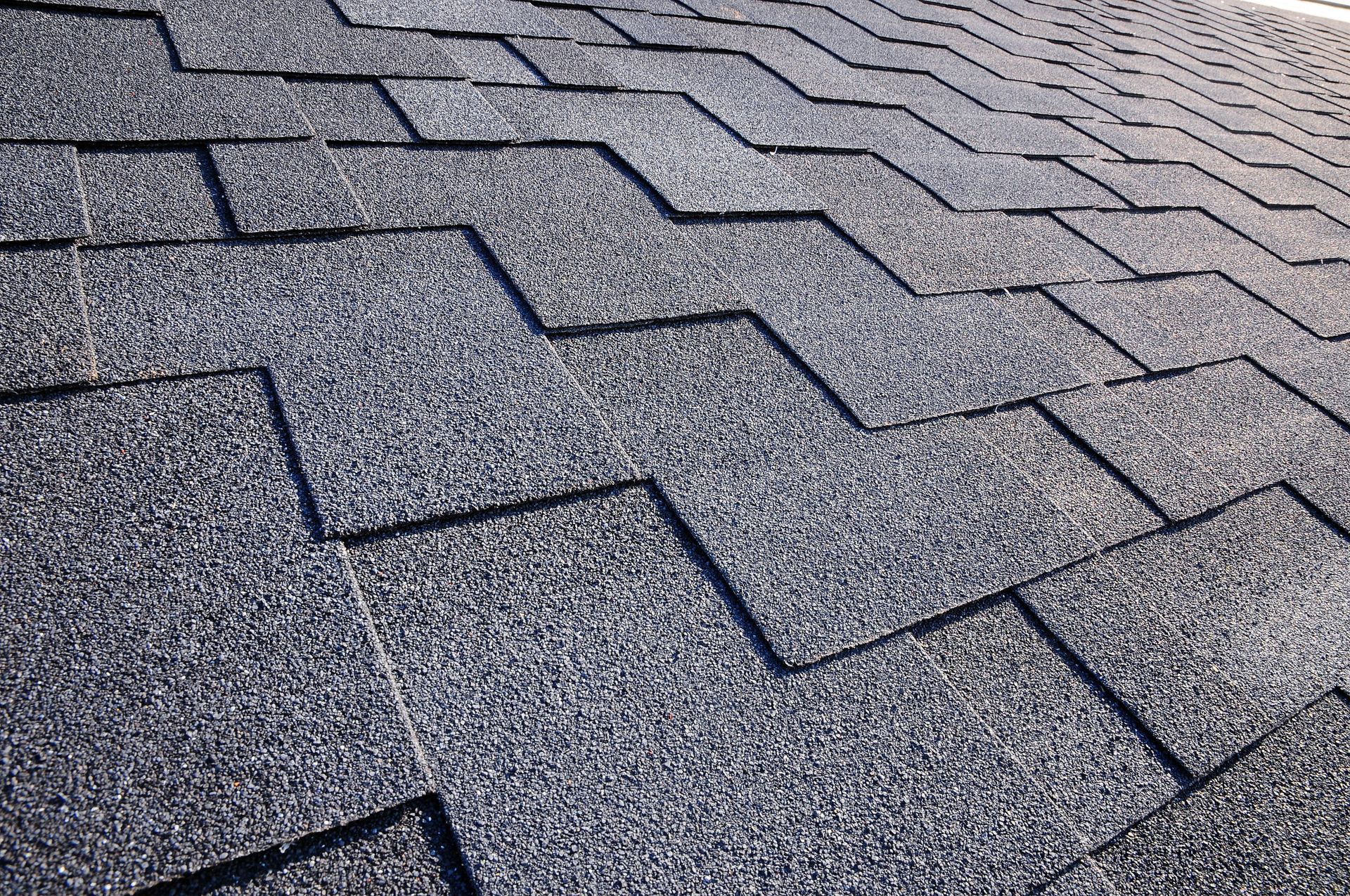
Examining the outer layer reveals crucial information about the overall health of the structure. Asphalt shingles provide visual clues when they reach the end of their useful life. Curling edges indicate prolonged exposure to intense heat. Cracks form as materials lose their flexibility and become brittle. A localized area of cracked shingles might justify a modest patch. Widespread curling suggests a broader systemic failure requiring extensive intervention.
Missing components leave the sensitive underlayment exposed to the elements. High winds dislodge weakened shingles, creating vulnerabilities in the defense system. A bald spot invites water infiltration and subsequent rot. Replacing specific units makes sense if wind removes a handful of pieces during a storm. However, if gentle breezes cause material detachment, the structural integrity of the entire system is compromised.
Granule loss represents another visible indicator of deterioration. Asphalt materials feature a rough coating that protects against ultraviolet rays. These granules detach and wash into the gutter system. Finding substantial sediment at the base of downspouts signals advanced aging. The loss of this coating leaves the underlying asphalt vulnerable to sun damage. Bald shingles lose their waterproofing capabilities, increasing the likelihood of leaks and structural rot.
Determining the severity of surface degradation requires professional insight. An experienced residential roofer analyzes the pattern of the damage. Isolated defects point toward targeted fixes. Widespread deterioration indicates the need for a comprehensive replacement. These professionals evaluate whether the existing materials can hold nails for a patch. The assessment determines if the surface retains enough strength to support partial interventions.
Assessing Material Longevity Factors
Every building material possesses an expected lifespan. Asphalt, metal, and tile decay at varying rates. Knowing the installation date provides a baseline for expectations. Isolated fixes become less practical when a structure approaches the end of its anticipated durability. Patches applied to ancient materials fail to hold because the surrounding area continues to disintegrate. Property owners must weigh the age of the structure before committing to temporary solutions.
Environmental factors influence the aging process. Homes located in areas with harsh sunlight or heavy snowfall experience accelerated material fatigue. Ventilation within the attic space impacts longevity. Poor airflow traps heat and moisture, baking the materials from underneath. This internal stress causes premature aging and systemic failure. Evaluating these external and internal pressures helps homeowners understand why a solid-looking structure degrades faster than anticipated.
The prevalence of home improvement reflects the ongoing need for structural maintenance. Aging materials require constant attention to prevent property damage. According to This Old House, almost 31% of homeowners nationwide have sought out roof repair, renovation, or maintenance projects. This statistic underscores the common challenge property owners face in managing exterior degradation. Regular upkeep mitigates the impacts of aging, yet inevitable decay forces significant decisions.
Professionals assess the remaining life of the materials to guide the decision process. A seasoned residential roofer inspects the flexibility and adherence of the existing layers. A complete replacement offers the most logical solution if the expert determines the structure has surpassed its prime. Attempting to preserve decaying materials wastes resources. The professional provides an objective analysis of the timeline, ensuring property owners invest their funds with prudence.
Analyzing Moisture Penetration Severity
Water intrusion represents a critical threat to a dwelling. Moisture stains appearing on interior ceilings signal a breach in the exterior defense. A contained spot might indicate a minor flashing failure around a chimney or vent. These isolated breaches allow targeted corrections. Locating the exact point of entry is the primary challenge in mitigating water damage. A prompt response prevents the moisture from spreading.
Widespread moisture penetration poses a massive risk to the entire building. The damage extends beyond the exterior surface when dampness affects large areas of the attic. Insulation loses its effectiveness when wet, leading to increased energy expenses. Mold and mildew thrive in these damp environments, creating health hazards for the inhabitants. Extensive rot in the wooden decking requires tearing off the outer layers to replace the foundational supports.
The location and frequency of leaks dictate the appropriate response. A puncture caused by a falling branch creates a defined entry point for water. Correcting this specific damage restores the integrity of the home. Multiple leaks appearing in different rooms suggest systemic failure. The entire system is failing when the barrier fails in disparate locations. Patching disparate areas fails to address the underlying degradation of the entire structure.
Tracing the path of water requires significant expertise. Water travels along rafters and pipes, making the interior stain appear far from the exterior breach. A skilled residential roofer uses specialized techniques to identify the origin of the moisture. The expert assesses the volume of water infiltration and the condition of the underlying decking. The assessment dictates whether simple caulking or a complete structural overhaul is necessary.
Weighing Financial Investment Impacts
Economic considerations play a major role in property maintenance decisions. A targeted patch requires a smaller initial financial outlay. Partial fixes offer immediate relief from acute problems for individuals managing strict budgets. This approach resolves the immediate threat without draining financial reserves. The upfront savings must be weighed against future expenses. Temporary solutions might fail, necessitating subsequent visits and additional expenditures.
Complete replacements demand a substantial upfront investment. Removing all existing materials, repairing the decking, and installing a fresh system requires significant labor and material costs. This comprehensive approach resets the lifespan of the structure. The substantial investment provides prolonged protection and peace of mind. Upgrading the entire system enhances the overall value of the property, offering a return on investment upon the sale of the home.
The cumulative cost of frequent patches alters the financial equation. Paying for multiple small interventions over a few seasons exceeds the expense of a proactive replacement. Continual deterioration leads to emergency interventions, which carry premium pricing. Property owners trapped in a cycle of constant mending suffer financial drain. Recognizing the tipping point between economical maintenance and wasted funds prevents individuals from throwing money at a failing structure.
Navigating these economic variables requires accurate projections. A reliable residential roofer provides detailed estimates for both options. These professionals compare the immediate costs of a patch with the long-term value of a replacement. The expert evaluates the likelihood of future failures if partial measures are taken. By presenting a clear financial picture, the professional empowers property owners to make decisions that align with their long-term economic strategies.
Protecting a dwelling involves evaluating surface damage, assessing material age, analyzing moisture intrusion, and weighing financial impacts. Minor surface defects, isolated leaks, and recent installations favor targeted interventions. Extensive curling, systemic moisture penetration, and aged materials necessitate a complete structural reset. Property owners must remain vigilant, observing changes in the exterior and interior of the home to identify impending failures before they cause damage. Making informed decisions preserves property value.
Seeking professional guidance ensures the correct path is chosen. While temporary fixes offer immediate financial relief, comprehensive overhauls provide enduring security. Relying on expert analysis prevents inadequate responses to severe structural degradation. A dependable residential roofer delivers the insights needed to distinguish between a minor setback and a total system failure. By prioritizing structural health and listening to professional advice, homeowners secure their dwellings against the relentless elements. If you are still unsure whether your home needs a patch or a full replacement, contact us at Eminent Roofing Solutions today. As a dedicated residential roofer, we will gladly inspect your property and help you make the right choice.