June 12, 2026
Many homeowners overlook the health of their brickwork until major water damage occurs. Maintaining the mortar between your bricks is crucial for preventing structural degradation and expensive masonry overhauls down the road. By understanding how a professional tuckpointing service operates, you can prevent common mistakes that jeopardize your home's exterior integrity. Property preservation starts with recognizing the warning signs of failing brickwork before the rainy season arrives.
1. Hiring Untrained Brick Laying Subcontractors
When you hire a business for your masonry needs, you expect qualified specialists to handle your chimney and walls. Unfortunately, some companies outsource the labor to general bricklayers who lack specific training in historical mortar restoration. A standard bricklayer focuses on building new walls quickly, which requires entirely different tools and mixtures than delicate restoration work. This lack of specialization often leads to messy results that compromise the visual appeal of your home.
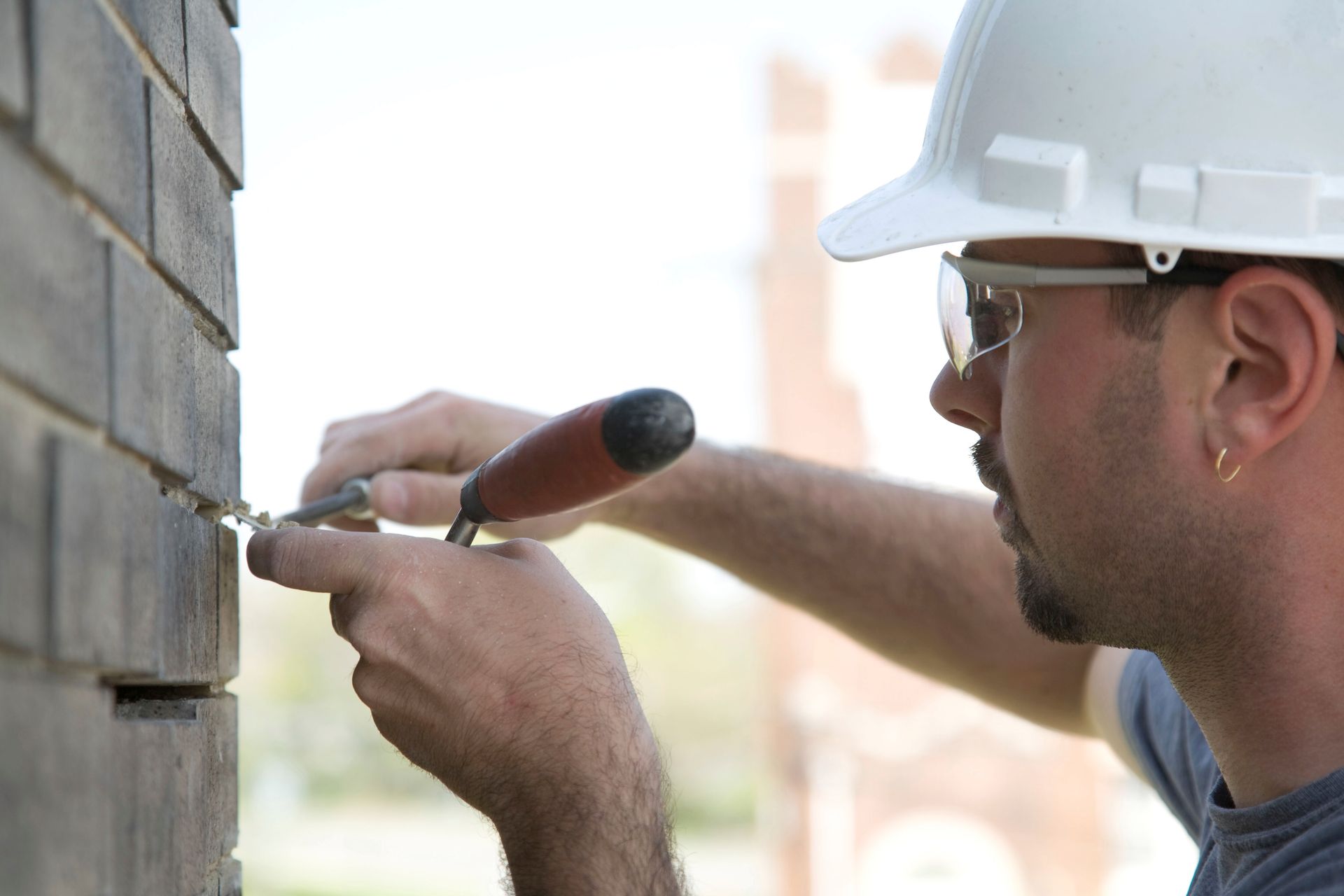
Without the right expertise, workers often damage the surrounding bricks during the mortar removal phase. This creates unsightly gaps and weakens the structural stability of your entire wall. A dedicated tuckpointing service relies on technicians who know how to grind out old joints without chipping the original brick faces. Their specialized training guarantees that every delicate edge remains perfectly intact throughout the process.
Before anyone touches your home, confirm that the actual technicians on-site specialize in historical restoration rather than basic new construction. If the crew cannot explain the difference between laying new block and restoring old joints, your property is at risk. Specialized knowledge protects your investment and preserves the authentic look of your home. Taking the time to verify these credentials saves you from facing long-term structural headaches.
2. Applying Incorrect Mortar Compression Techniques
Proper compression is what makes new mortar joints waterproof and resilient against harsh weather conditions. When technicians fail to pack the material tightly into the cleaned grooves, air pockets form deep inside the wall. These hidden voids trap moisture, which inevitably freezes and expands during cold winter months, causing the new material to pop out. This cycle of freezing and thawing rapidly destroys the stability of your exterior boundaries.
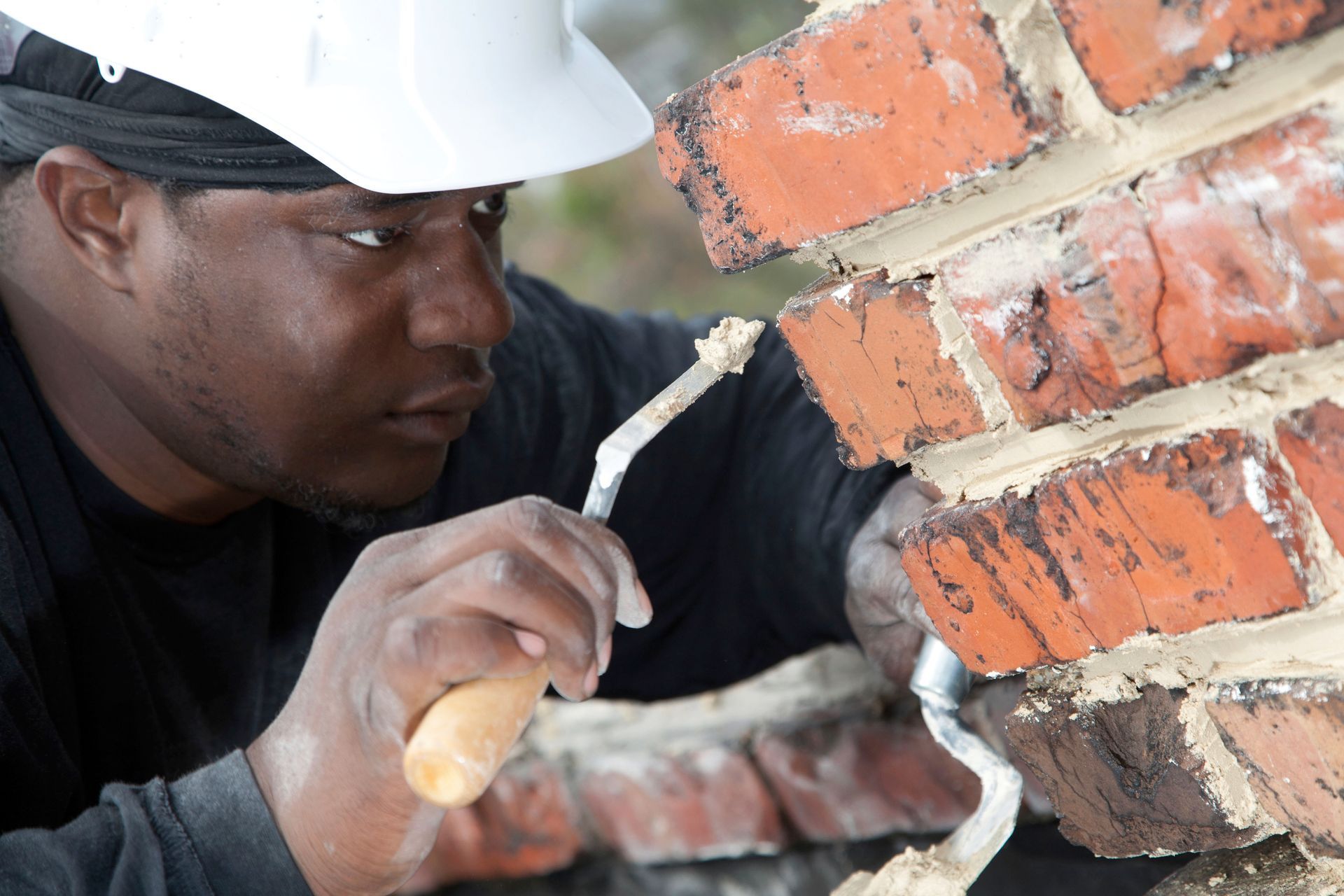
Skilled professionals use specialized tools to firmly pack the mixture in multiple thin layers rather than slapping it on all at once. According to U.S. News, after waiting 30 minutes from when finishing is done, it is possible to add more mortar. This careful layering process creates a dense, impenetrable barrier that keeps your home safe from structural leaks. Following these precise timelines yields a solid bond that withstands severe climate shifts.
If you notice the crew working too quickly or leaving visible gaps in the open joints, the application will fail prematurely. A high-quality tuckpointing service requires patience and deliberate physical pressure to compact every single inch of the wall. Skimping on this physical effort results in a soft joint that washes away after a few heavy rainstorms. Slow, methodical application remains the only way to achieve maximum structural density.
3. Matching Wrong Color Mortar Pigments
A highly visible mistake in masonry repair is a blatant color mismatch between the old and new materials. Mortar naturally fades over decades due to sun exposure, dirt accumulation, and chemical weathering. Simply mixing a standard gray bag from the local supply warehouse will result in an ugly, patchwork appearance across your beautiful exterior. A jarring color clash reduces the aesthetic value of your property overnight.
True professionals take the time to create custom tint samples and let them dry completely before starting the project. Mortar looks significantly darker when wet, meaning an amateur worker might assume the match is perfect until the wall dries into an eyesore. A professional tuckpointing service prioritizes aesthetic consistency so the repairs blend seamlessly with your existing architecture. This attention to detail keeps the fresh repairs completely invisible to passersby.
When a company rushes the color-matching process, your home loses curb appeal and visual value. Custom pigment blending takes extra time and attention, but it prevents your property from looking patched together. Demand a dry sample test on a small section of your wall before allowing the full application to proceed. Visual confirmation beforehand keeps your expectations aligned with the final physical results.
4. Using Destructive High-Pressure Grinding Equipment
Removing old, crumbling mortar requires precision and a gentle touch, especially on older homes with softer historic bricks. Amateur workers frequently use heavy, high-speed angle grinders that cut too deeply into the vertical and horizontal tracks. This aggressive approach slices straight into the original clay bricks, leaving permanent scars and structural weaknesses. These deep wounds allow water to penetrate straight into the core of your wall.
Safe restoration relies on smaller pneumatic chisels or specially designed diamond blades that match the exact width of the joint. Technicians must possess steady hands to navigate the intersections without accidentally cutting into the brick corners. A reliable tuckpointing service utilizes precise dust-collection tools and smaller hand instruments to protect the fragile masonry structure. Utilizing lighter machinery minimizes the risk of chipping valuable historic clay units.
If you hear the loud screech of oversized power tools grinding carelessly into your walls, stop the work immediately to inspect the edges. Jagged cuts and shortened brick lengths are signs of permanent property damage that cannot be easily fixed. Gentle removal techniques take longer but keep the surrounding framework completely intact. Protecting the original shape of your bricks must remain a top priority for the crew.
5. Mixing Incompatible Hard Mortar Formulas
Modern mortar formulas often contain high amounts of Portland cement, which cures into a material that is harder than historic brick. If a technician puts this rigid mixture into an older wall, the natural expansion and contraction of your home causes major problems. The soft historic bricks will crack because the new mortar is too stiff to flex. This mismatch forces the weaker brick material to give way under seasonal thermal pressure.
Preservation specialists analyze the original lime-based composition to mix a custom batch that matches the exact strength of your old wall. This allows the building to breathe and shift naturally without putting undue stress on the surrounding clay units. Utilizing a qualified tuckpointing service guarantees that the chemical composition of the new material matches the structural needs of your house. Custom blending maintains the natural flexibility that old buildings require for maintaining stability.
Putting cheap, modern materials into an older architectural structure is a recipe for complete structural failure within a few seasons. The bricks themselves will shatter long before the hard cement joint gives way, forcing you to replace entire sections of your wall. Matching structural strength is just as critical as matching the visual color of the old joints. Selecting the correct compound prevents an expensive rebuilding project in the near future.
The simple check that prevents all five of these common disasters is asking the project manager for a physical on-site mockup before full production begins. Inspecting a small, completed four-by-four section allows you to verify the color match, compaction quality, tool quality, and crew expertise with your own eyes. Taking this single precautionary step safeguards your property, preserves your structural masonry, and guarantees a beautiful result from your chosen tuckpointing service. For expert assistance in keeping your entire exterior weatherproof and structurally sound, visit Eminent Roofing Solutions to schedule a professional assessment today.