June 10, 2026
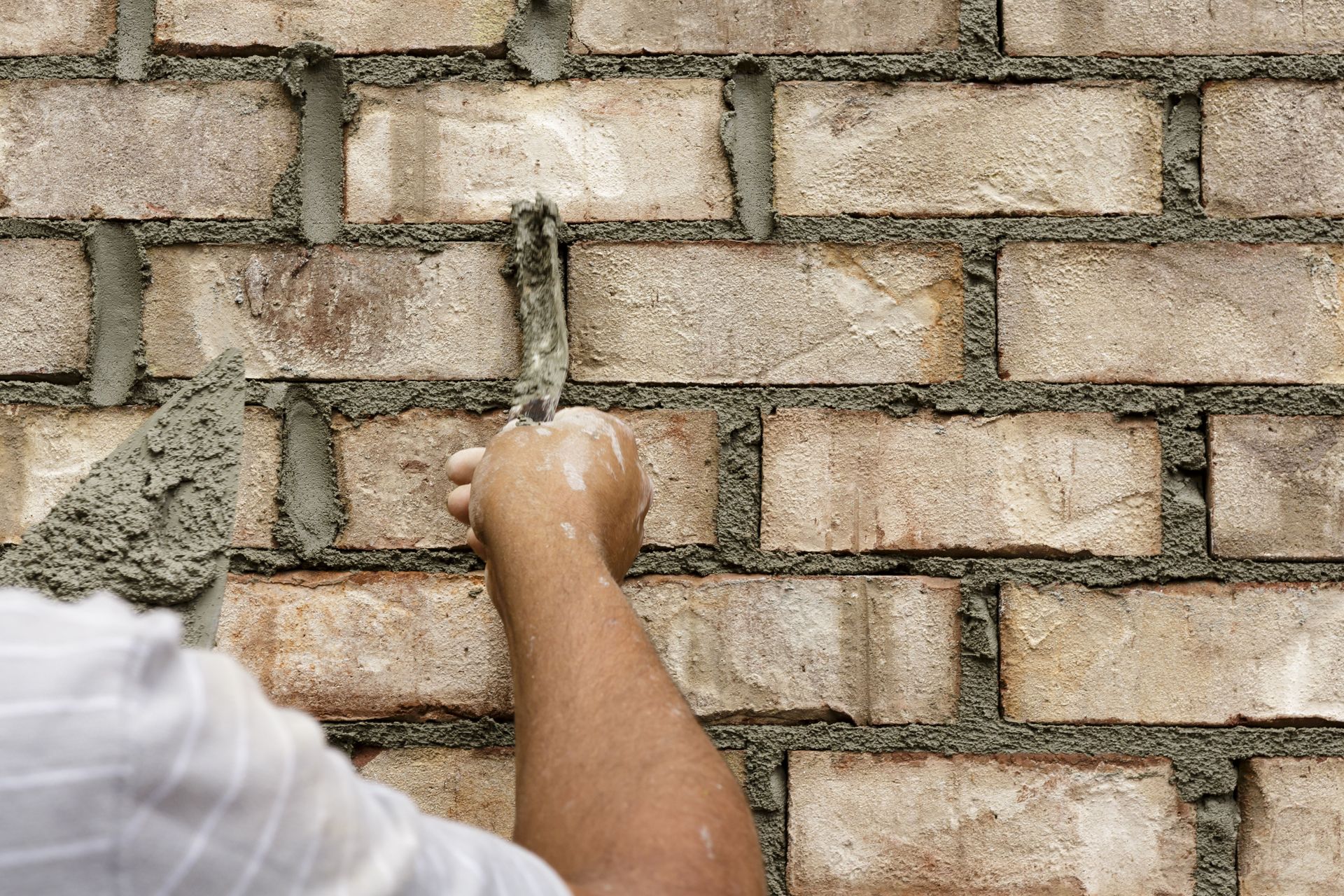
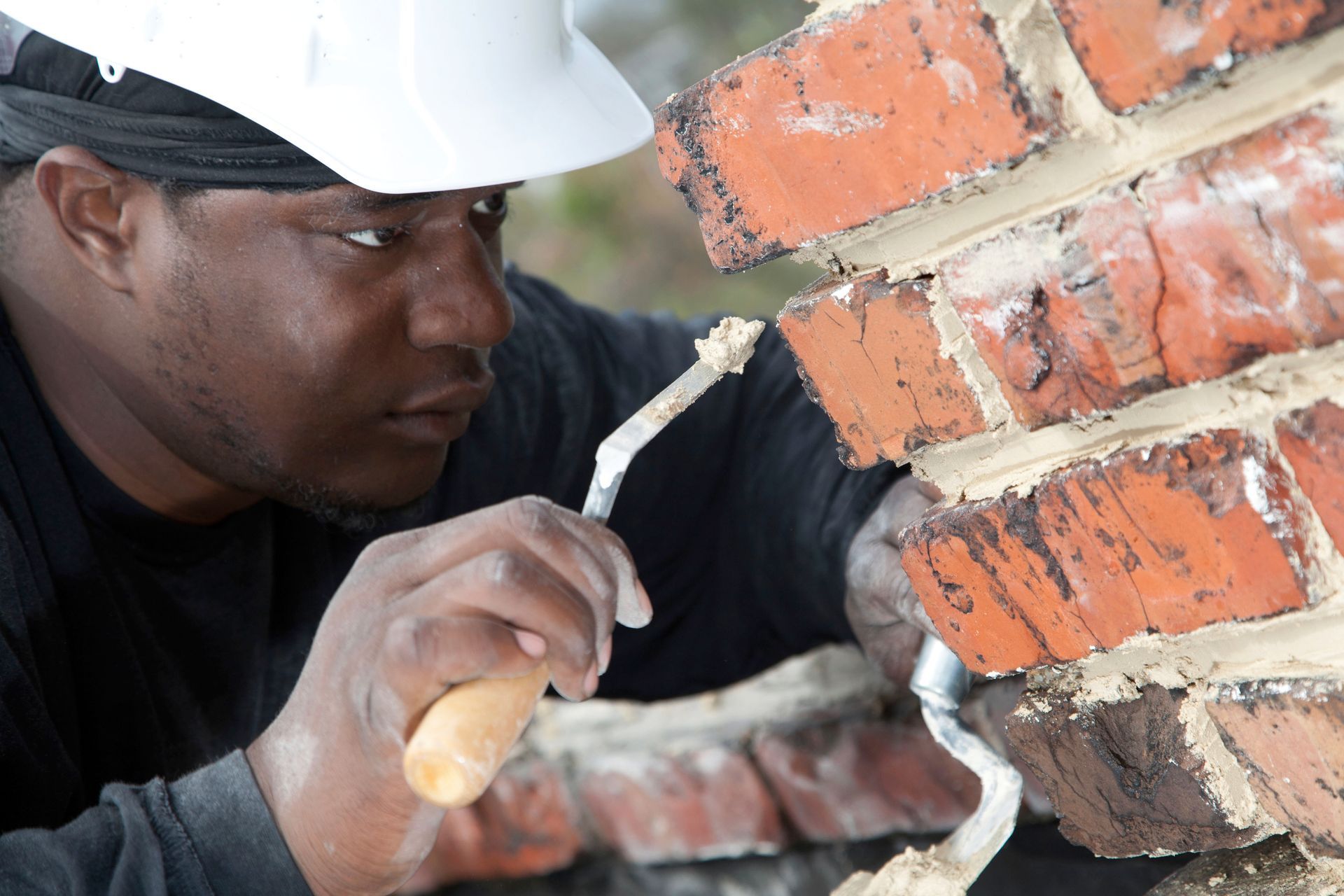
The structural integrity of brick structures depends heavily on the condition of the mortar between each brick. Tuckpointing is the process of removing damaged mortar and replacing it with fresh material so the wall can stay stable, sealed, and visually clean.
Over time, brick and mortar are exposed to rain, snow, ice, heat, wind, and everyday settling. These conditions can wear down mortar joints, weaken brickwork, and create openings that allow moisture to move into the wall. When homeowners recognize early warning signs, they can schedule tuckpointing before small masonry issues become costly repairs.
Knowing what to look for can help protect the value, safety, and appearance of your property. From visible cracks to interior wall damage, the following signs may mean your brickwork needs professional attention before the damage spreads.
1. Visible Cracks In Mortar Joints
1.1 Identifying Different Types Of Cracks
Visible cracks in mortar joints can appear as hairline cracks, vertical cracks, or stair-step patterns. Each type can point to a different issue within the structure. Hairline cracks may form because of minor settling, while vertical cracks can be connected to movement from temperature changes, moisture exposure, or pressure within the wall.
Stair-step cracks often deserve closer attention because they can follow the mortar joints between bricks and may suggest shifting or foundation movement. These cracks are not only cosmetic concerns. They can allow water to enter the masonry, which may cause the surrounding mortar to weaken even more over time.
Early inspection is important because small cracks can widen quickly when moisture freezes and expands inside the wall. According to HomeGuide, a skilled mason can complete approximately 10 square feet per hour, which shows how efficient professional masonry repair can be when problems are caught early. Tuckpointing helps restore cracked joints and keeps the damage from moving deeper into the brickwork.
2. Flaking Or Scaling Of Bricks
2.1 Understanding Brick Efflorescence
Flaking or scaling bricks often develop when moisture enters the wall and causes the brick face to break down. One common related issue is efflorescence, which appears as a white, powdery residue on the brick surface. This residue forms when water draws salts to the surface as it evaporates.
Efflorescence may look like a surface-level problem, but it often points to moisture activity inside the masonry. Rainwater, poor drainage, failing gutters, and worn mortar joints can all allow water to enter brickwork. If the source of moisture is not corrected, flaking and scaling can spread across larger sections of the wall.
Cleaning alone may remove the white residue for a short time, but it will not solve the problem if water is still entering through damaged joints. Tuckpointing can help rebuild the mortar barrier, reducing the pathways that allow water to move into the wall. For bricks that are already scaling, a mason can evaluate whether cleaning, repair, or replacement is needed.
3. Gaps Between Bricks
3.1 Identifying Separation In Masonry
Gaps between bricks are a warning sign that the wall may be shifting, settling, or losing mortar support. These openings can form slowly, especially in older structures, but they can create serious problems when left untreated. Gaps give moisture, insects, and outside air a direct path into the wall system.
Separation in masonry can also affect insulation and indoor comfort. When brick joints are open, the wall may not block air and moisture as effectively as it should. This can lead to drafts, damp spots, and higher energy use in some buildings.
Professional evaluation can help determine whether the gaps are caused by normal aging, soil movement, foundation pressure, or weather exposure. Tuckpointing restores the joints between bricks, improves the wall’s appearance, and helps limit further separation. Addressing gaps early can also reduce the risk of partial wall failure in weakened areas.
4. Damaged Or Missing Mortar
4.1 Signs Of Eroded Mortar
Damaged or missing mortar is one of the clearest signs that masonry needs repair. Mortar can erode because of age, rain, freeze-thaw cycles, poor drainage, or improper installation. When mortar wears away, bricks lose some of the support and protection that hold the wall together.
You may notice joints that look recessed, crumbly, sandy, or uneven. In some cases, mortar may fall out in small pieces when touched. These signs mean the wall is more exposed to moisture and may continue to weaken during harsh weather.
Tuckpointing involves removing loose or deteriorated mortar and replacing it with new mortar that matches the structure’s needs. This process helps restore the strength and appearance of the wall while protecting bricks from additional movement and moisture exposure.
5. Water Penetration Issues
5.1 Detecting Water Damage In Walls
Water penetration is one of the most damaging issues for brick structures. Damp patches, mold growth, musty odors, stains, and recurring efflorescence can all indicate that moisture is entering the wall. While brick is durable, the mortar joints between bricks are often the first areas to fail when exposed to repeated moisture.
As water moves through weakened joints, it can damage the bond between brick and mortar. Over time, this may lead to bulging walls, spalling bricks, interior stains, and structural concerns. Moisture problems can also affect indoor air quality when dampness contributes to mold growth.
Repairing mortar joints can reduce water entry and help protect the wall from continued deterioration. Tuckpointing is especially valuable when worn joints are the main path for moisture intrusion. Homeowners should also inspect gutters, downspouts, grading, and rooflines because these systems can direct water toward or away from masonry.
6. Fading Or Discoloration Of Brickwork
6.1 Identifying Discolored Brick Areas
Fading or discoloration of brickwork may seem like an appearance issue at first, but it can also point to moisture retention, pollutants, or chemical reactions on the brick surface. Discoloration may appear as dark staining, uneven fading, white residue, or patchy color changes across a wall.
Sun exposure, age, air pollution, and damp conditions can all affect brick color. However, when discoloration appears near damaged joints, under windows, around chimneys, or close to rooflines, it may be connected to water entry. These areas should be inspected before the issue spreads.
Cleaning may improve the look of stained brick, but repair may be needed if the mortar joints are allowing moisture into the wall. Tuckpointing can renew weakened joints and support a more uniform appearance by addressing one of the common causes of brick discoloration.
7. Interior Wall Damage
7.1 Recognizing Interior Symptoms
Interior wall damage can sometimes reveal problems with exterior brickwork. Peeling wallpaper, cracked plaster, bubbling paint, damp patches, and musty odors may all suggest that moisture is moving through the masonry and into the building. These symptoms should not be ignored, especially when they appear near exterior walls.
When mortar joints fail outside, water and air can move through the wall system more easily. That moisture can eventually show up indoors, even if the exterior damage looks minor. By the time interior symptoms appear, the masonry may already need prompt repair.
A thorough inspection should include both the interior symptoms and the exterior brickwork. Tuckpointing can correct deteriorated joints on the outside, helping stop moisture at its source before more interior repairs are needed. Addressing the exterior issue first can make interior repairs more effective and longer lasting.
Brick walls can last for generations, but mortar joints need regular attention as they age. Cracks, flaking bricks, gaps, missing mortar, water stains, discoloration, and interior damage are all warning signs that the wall may need professional masonry repair.
Timely tuckpointing can restore damaged joints, improve moisture resistance, and help preserve the strength and appearance of brickwork. Regular inspections give homeowners a better chance of catching problems early, before small areas of deterioration turn into major structural repairs.
If your brick walls are showing any of these signs, it may be time to call a qualified mason for a tuckpointing evaluation. Careful maintenance can help protect your property, reduce preventable damage, and keep your masonry in dependable condition for years to come. Contact Eminent Roofing Solutions today for more.